

< img height="1" width="1" style="display:none" src="https://www.facebook.com/tr?id=769357761048892&ev=PageView&noscript=1" />

Production Base

Sunway Solar

NANTONG PRODUCTION BASE

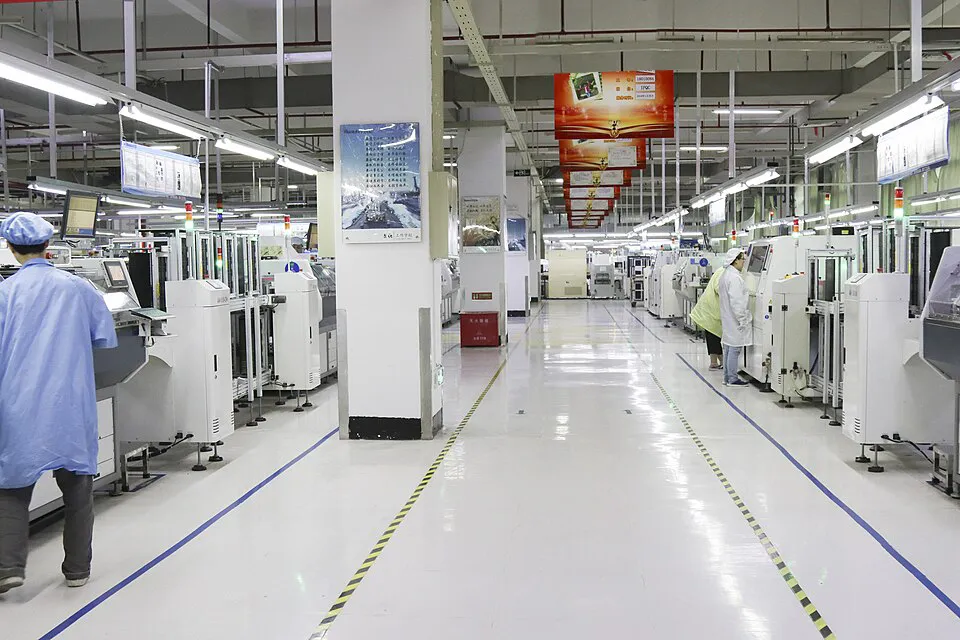
Sunway’s Nantong production base meets the growing demand for PV module production lines. It covers an area of 120,000 sqm and is equipped with the most advanced equipment and technology to produce high-quality modules to serve our customers better.

Sunway Solar has built a 400MW high-efficiency solar module production line, and all products are certified by TÜV Rheinland, TÜV SUD, UL, SGS, CQC, and CE. 

Solar Panel Production Process

Solar Cell Sorting

1. Appearance: Whether there are lobes, missing corners, broken grid, etc.;
2. Color: Classification of batteries with similar colors.

Solar Cell Welding

Weld the welding strip and the main grid line of the battery piece together;
Weld the front battery of the battery piece to the back electrode of the other battery piece to form a battery string.

Assembling

1. Tempered Glass
2. EVA (buffer, seismic, heat insulation, moisture-proof)
3. Solar Cell String
4. Backplane (insulation, water resistance, aging resistance)
4 samples are laminated together

Middle Test

Detect whether there are hidden cracks, black chips, dark chips, Broken grid, broken plate, low efficiency plate, over – cutting, positive and negative electrode connection and other problems

Lamination

Vacuum, heat, melt EVA,
Glue the battery, glass, and back plate together

Packing

Package delivery.

Energy Storage Battery Production Process

From incoming LFP cell grading to End-of-Line (EOL) full-load cycling, every battery module and system undergoes strict automated assembly and full MES barcode traceability.
100% Cell OCV/IR Sorting
±0.02mm Laser Welding Precision
100% MES Full Traceability
48h+ Full-Load Aging Test
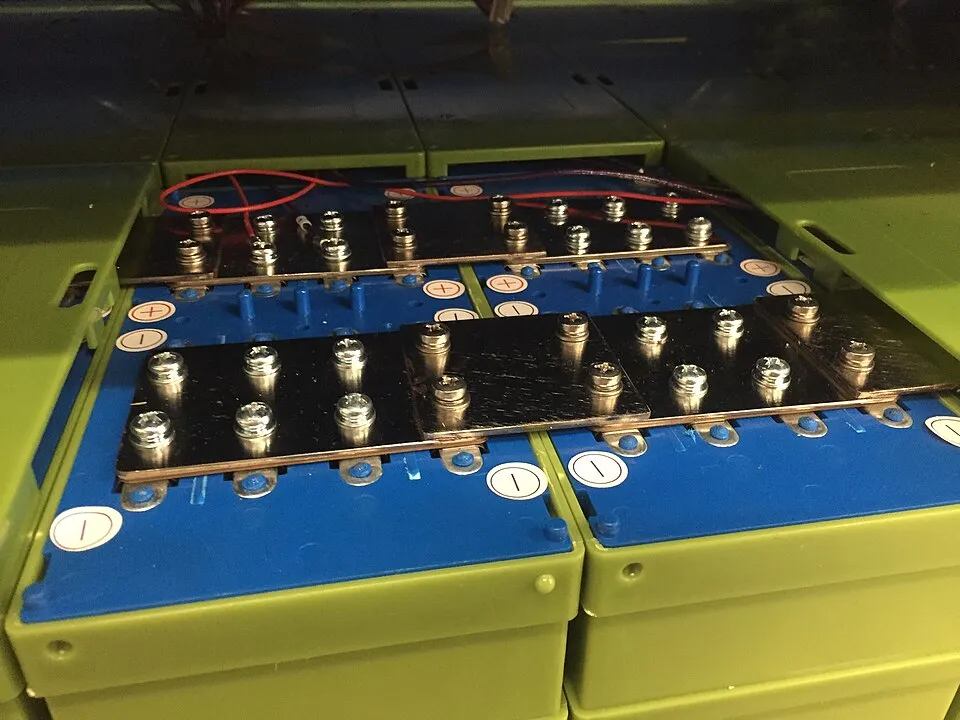
STEP 01 Prismatic LiFePO4 Battery Cells Grading and Sorting

Cell Grading & OCV/IR Sorting

Incoming Tier-1 prismatic LFP cells undergo automated Open Circuit Voltage (OCV), Internal Resistance (IR), and capacity testing. Cells are grouped into ultra-tight tolerance batches to eliminate capacity barrel effects.
Quality Control Checkpoints
ΔV ≤ 1mV ΔIR ≤ 0.1mΩ QR Code Binding
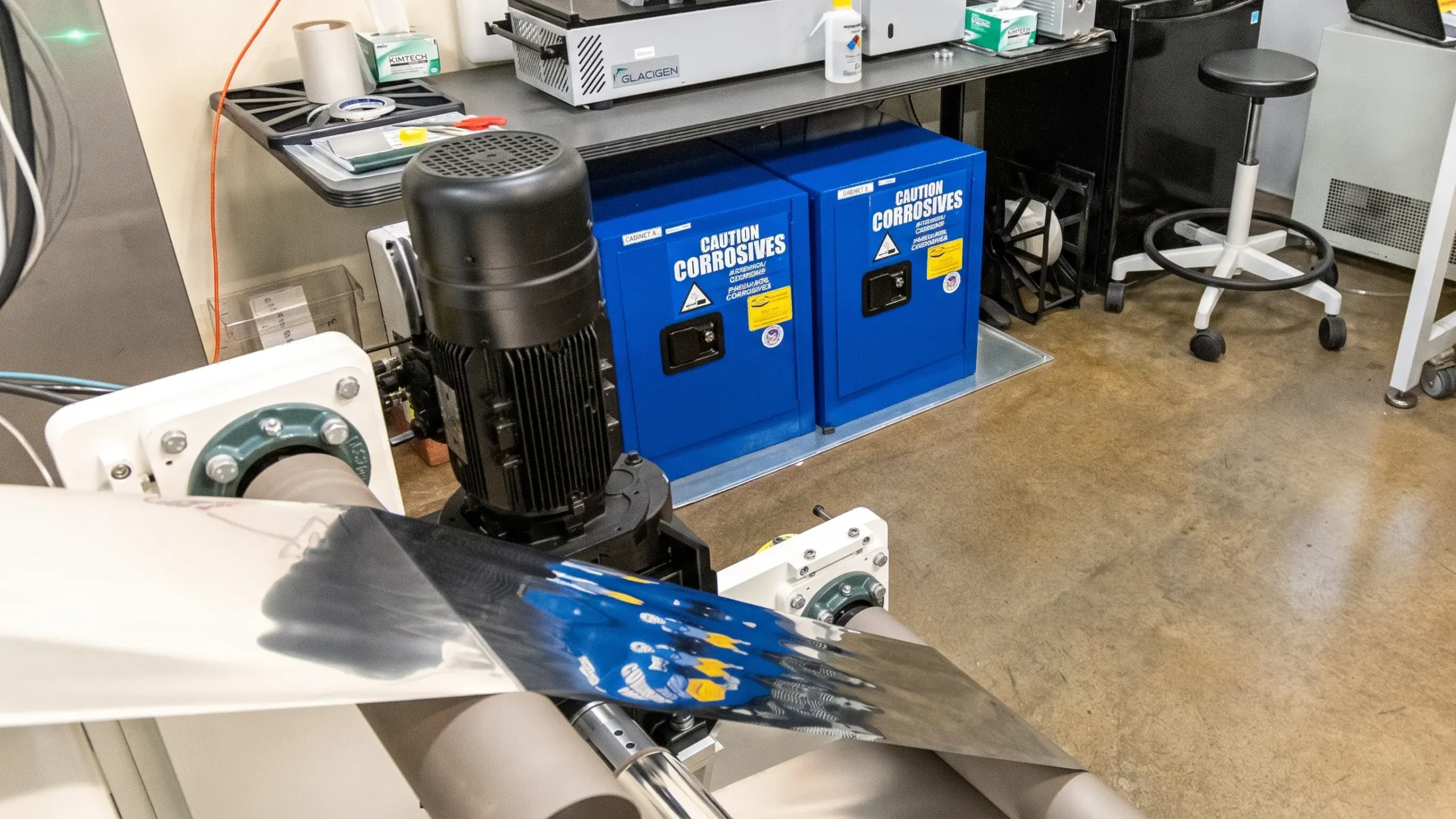
STEP 02 Automated Battery Manufacturing Line and Module Stacking

Plasma Cleaning & Module Stacking

Cell surfaces are plasma-treated to remove microscopic contaminants before structural adhesive application. Automated stacking machines insert aerogel thermal barriers between cells and bind modules under controlled preload force.
Quality Control Checkpoints
Aerogel Thermal Pad Preload Force Check Dimension Check
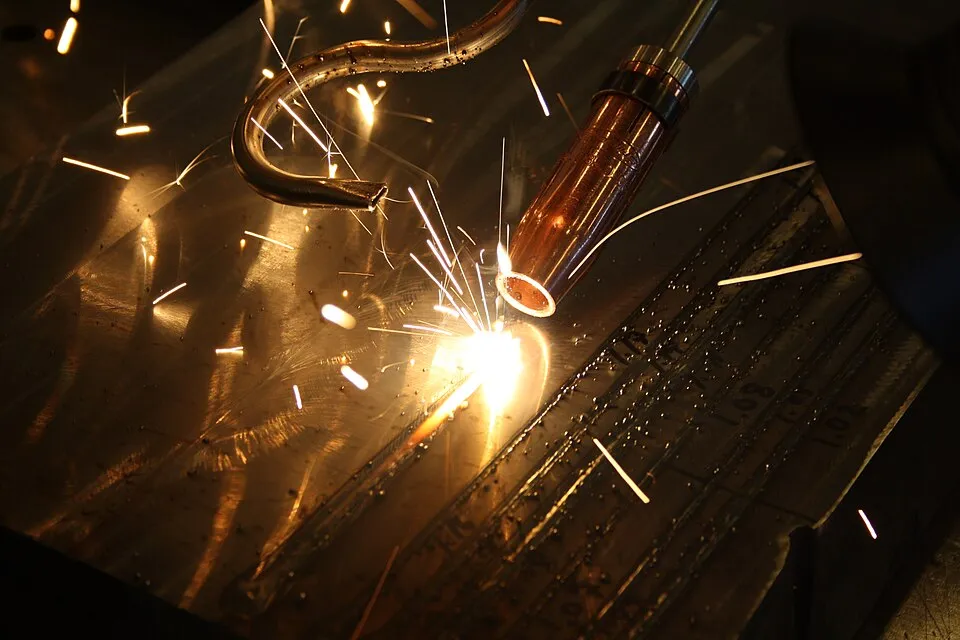
STEP 03 High-Power Automated Busbar Laser Welding

Automated Busbar Laser Welding

3D vision-guided laser welding joins aluminum/copper busbars to cell poles with minimal heat-affected zones. In-line CCD optical inspection and post-weld pull testing verify low contact resistance and structural integrity.
Quality Control Checkpoints
3D CCD Inspection Tensile Pull Test Weld Depth Monitor
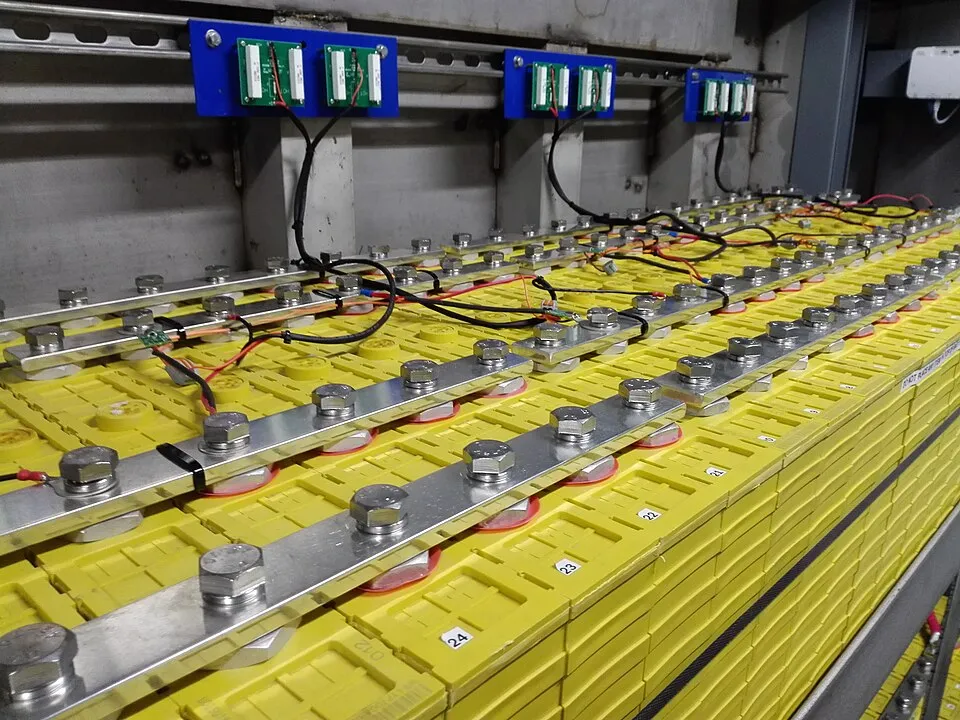
STEP 04 LiFePO4 Cells Wired with Busbars and BMS Harness

BMS & Wire Harness Integration

Installation of FPC/wire voltage sampling harnesses, multi-point NTC temperature sensors, and the Battery Management Unit (BMU). Dielectric withstand (Hi-Pot) and insulation resistance tests are executed immediately.
Quality Control Checkpoints
DC Hi-Pot Test NTC Sensor Calibration Cell Voltage Readout
STEP 05 Battery Energy Storage System Pack Assembly

Pack Sealing & Airtightness Test

Battery modules, liquid cooling plates (or air ducts), and aerosol fire suppression units are integrated into the enclosure. Differential pressure decay testing validates both cooling loop integrity and IP65/IP67 ingress protection.
Quality Control Checkpoints
IP65 / IP67 Leak Test Coolant Pressure Test Torque Verification
STEP 06 Battery Testing Laboratory and End of Line Inspection

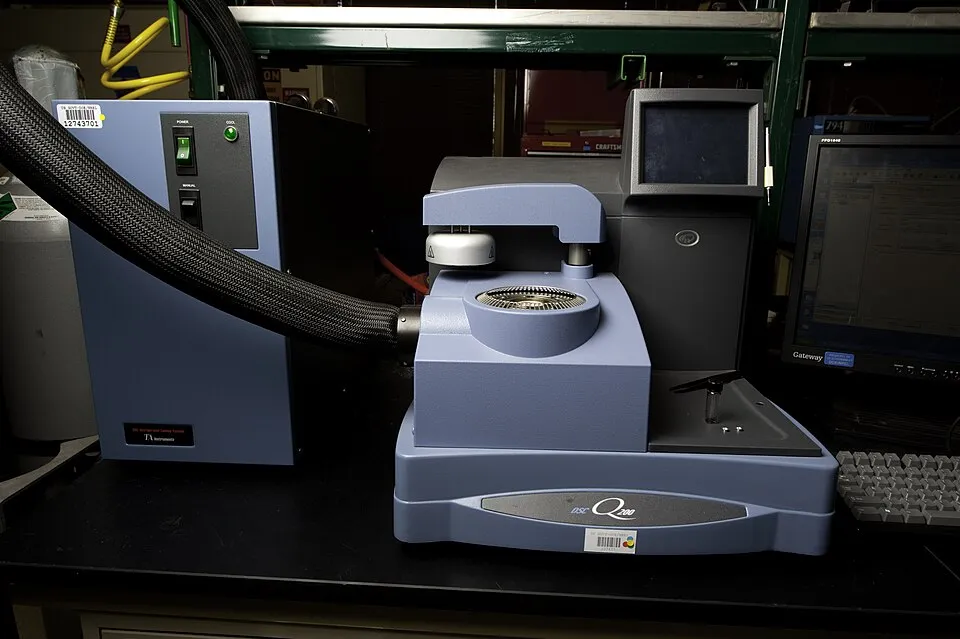
Full-Cycle Aging & EOL Testing

Every completed pack undergoes full charge-discharge cycling to verify deliverable capacity, thermal rise, and dynamic cell balance. End-of-Line (EOL) testing validates CAN/RS485 communication and BMS protection triggers.


Quality Control Checkpoints
100% Full-Cycle Aging CAN / RS485 Check Thermal Rise ≤ 5°C

Get A Quote

If you have questions or suggestions,please leave us a message,we will reply you as soon as we can!

Online Service
Email
Skype
WhatsApp